Research-backed FAQ

Bed Bug FAQ, Pictures, Signs, and Next Steps

A clear, client-friendly FAQ using verified public guidance and realistic photo-style identification references to help Vermont homeowners, landlords, hotels, and facility managers make better decisions.

Identification guide

Photo guide to bed bugs, bites, eggs, and hiding places

Use these photos as education, not as a replacement for professional review. Bites are especially easy to misread, so physical signs matter more than skin reaction alone.

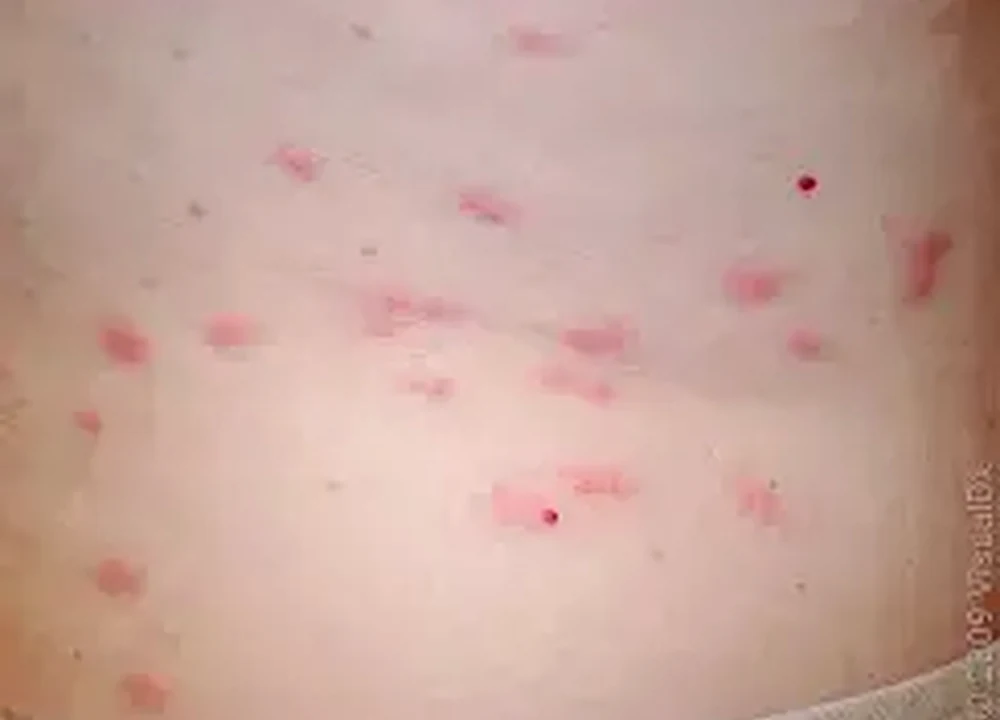
Realistic photo of multiple red bite reactions on skin used as a bed bug bite education example

Bite reactions can appear in clusters

Some people show red marks, clusters, or lines. Bites can still be mistaken for mosquitoes, fleas, rashes, or hives, so bites alone should not be treated as confirmation.

Educational image provided for site use. Not a medical diagnosis.
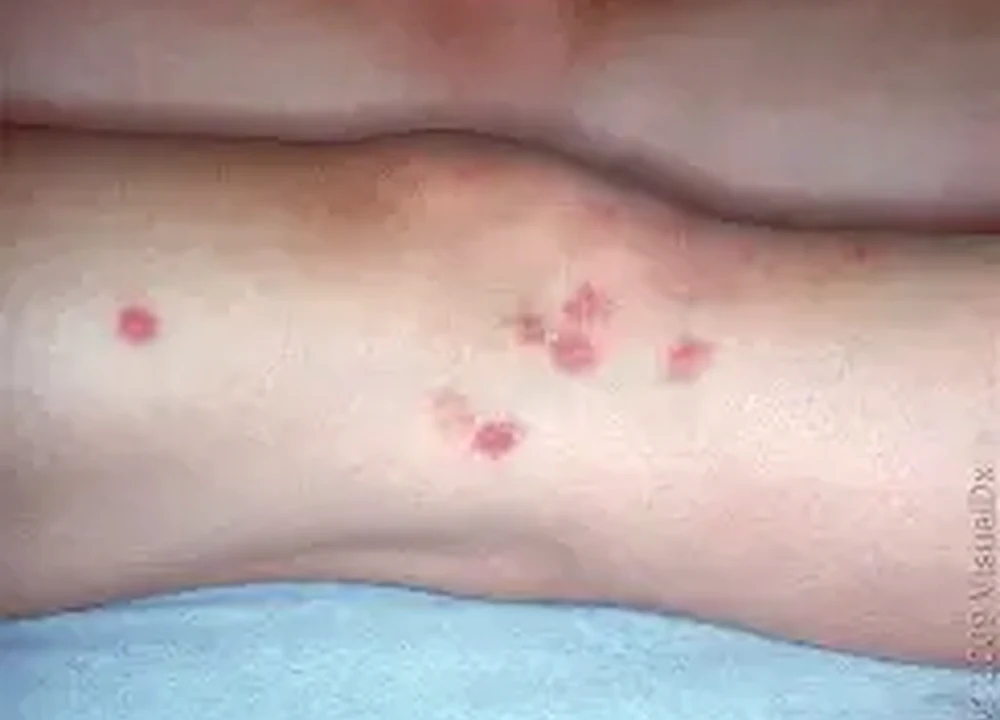
Realistic photo of red bite reactions on an arm used as a bed bug bite education example

Not everyone shows bite marks

People react differently. A useful client rule is that roughly one in three may show noticeable sensitivity, while others may show little or no visible reaction. Physical signs matter.

Educational image provided for site use. Reaction varies by person.
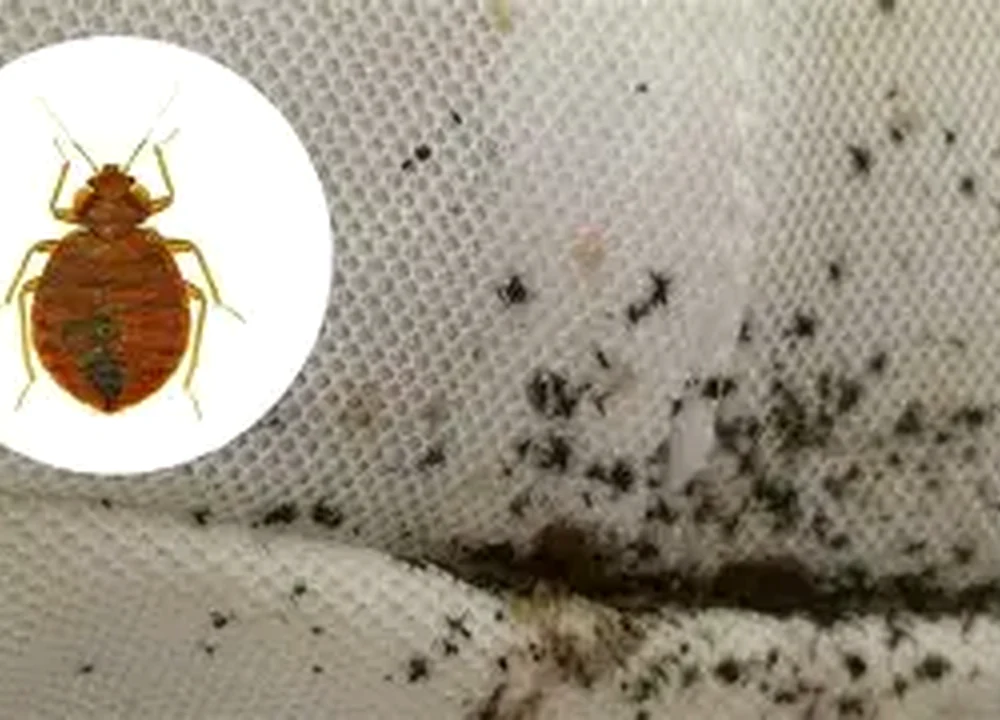
Realistic photo of black spotting and bed bug evidence on mattress fabric

Physical signs are stronger evidence

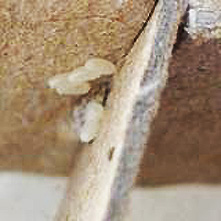
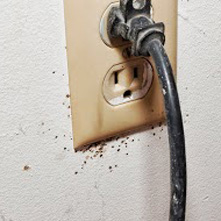
Dark spotting, staining, eggs, shed skins, and live bugs are stronger indicators than bites alone. Check mattress seams, furniture folds, bed frames, and protected cracks.

Educational image provided for site use.

Important note about bites

EPA warns that bites are a poor indicator of bed bugs because they can resemble other insect bites, rashes, eczema, fungal conditions, or hives, and some people do not react at all. A practical rule for clients is that roughly one in three people may show noticeable sensitivity, while others may show little or no visible reaction. Look for physical signs before making decisions.

Why our process is different

Positive pressure, high CFM, rapid heating, and temperature awareness

The process is different because it focuses on moving heat through the environment where bed bugs hide—not simply making a room feel hot.

+P

Positive pressure

Pressure-assisted delivery helps move heated air into the treatment environment.

CFM

High air movement

High-CFM airflow helps reduce stagnant zones and supports more even circulation.

°F

Temperature awareness

Hard-to-heat places matter because bed bugs hide in cracks, crevices, furniture, and belongings.

Rapid heating

Rapid heating helps move the property toward treatment conditions efficiently while monitoring keeps the process grounded.

Bite sensitivity is inconsistent.

Do not rule out bed bugs because one person has marks and another does not. Some people show clear bite reactions, some react days later, and some show no visible signs. That is why the strongest evidence is usually physical: live bugs, dark spotting, eggs, shed skins, or stains near sleeping and resting areas.

What the client should know

Bites can support a concern, but they should not be the only decision point. If one person in a home, hotel room, rental unit, or dorm shows marks and another does not, the next step is still to check for physical signs and avoid moving belongings before guidance.

How do I know if I have bed bugs?

Look for physical evidence first: rusty or reddish stains on sheets or mattresses, dark spotting, eggs or eggshells, pale shed skins, live bugs, and activity near mattress seams, box springs, bed frames, couches, furniture folds, baseboards, and cracks.

EPA specifically warns that bites alone are a poor indicator because they can look like bites from other insects, skin conditions, hives, or may not appear at all. If you are unsure, the safest next step is to avoid moving belongings and request a professional review.

Are bed bug bites enough to confirm an infestation?

No. Bites can be part of the story, but they are not reliable proof by themselves. Some people do not react to bites, while others react strongly to many unrelated irritants.

Use bites as a reason to inspect carefully, not as the only basis for a decision. A practical client rule is that only about one in three people may show noticeable bite sensitivity, and others may show little or no reaction. A better confirmation path is physical evidence: live insects, dark spots, shed skins, eggs, or signs in seams and cracks.

Where do bed bugs usually hide?

EPA lists common hiding areas around the bed: mattress piping, seams and tags, box springs, bed frames, and headboards. In heavier infestations, they can be found in couches, curtain folds, drawer joints, appliances, electrical receptacles, wall hangings, loose wallpaper, and ceiling/wall junctions.

The practical rule is simple: if a crack can hold a credit card, it may be able to hide bed bugs. That is why heat-treatment planning has to account for cracks, crevices, contents, and airflow.

What are the most reliable signs of bed bugs?

Reliable signs include live bed bugs, eggs, eggshells, shed skins, dark fecal spotting, rusty or reddish stains from crushed bugs, and activity in common hiding places.

A severe infestation may also create a sweet, musty odor, but odor should not be treated as the first or only sign.

What should I do first if I think I found bed bugs?

Pause before moving items. Do not carry bedding, furniture, luggage, bags, or clothing into other rooms until you have guidance. Photograph what you saw, note the location, and keep the affected area as stable as practical.

For urgent concerns, call 802-871-2292 or request a confidential eradication plan. A calm first step helps reduce spread risk.

What should I avoid doing?

Avoid moving belongings room to room, placing items into shared laundry without guidance, discarding furniture through hallways, or using unsafe heat methods such as space heaters, ovens, fireplaces, or turning up the thermostat.

EPA guidance warns that raising the indoor temperature with a thermostat or space heaters will not work for bed bug control. Professional heat treatment is a planned process, not DIY room warming.

How does heat treatment kill bed bugs?

Professional heat treatment relies on temperature, time, airflow, and reaching hiding places. Virginia Tech Extension explains that exposure to lethal temperature is critical because many bugs hide in cracks and crevices.

The process is stronger when the treatment plan considers positive pressure, high-CFM air movement, rapid heating, hard-to-heat areas, monitoring, and preparation.

Why does Vermont Safe Heat talk about positive pressure and high CFM?

Positive pressure helps drive heated air into the treatment environment. High CFM means high air movement, which helps reduce stagnant areas and improves circulation around contents and hiding places.

In plain English: the difference is not just creating heat. It is moving heat through the property in a controlled way so protected spaces are considered.

What is a cold sink?

A cold sink is an area or object that heats more slowly than the surrounding air. Examples include dense furniture, clustered belongings, wall-floor junctions, protected cracks, closets, and items with thermal mass.

Cold sinks matter because hidden areas can lag behind the room temperature. That is why preparation, airflow, and temperature awareness are part of a serious heat-treatment plan.

Can bed bugs survive weak heat treatment?

Yes, if protected areas do not receive sufficient exposure. Research and guidance point to both temperature and time, and eggs can require more demanding exposure than adults.

A room feeling hot is not the same as a property-specific eradication plan. Heat must be managed around where bed bugs hide.

Is heat treatment chemical-free?

Heat treatment is commonly described as a nonchemical approach because the primary control method is heat rather than pesticide application. Some situations may still require additional professional judgment depending on structure, severity, and hidden cold areas.

Vermont Safe Heat’s positioning is discreet bed bug heat treatment and eradication planning, with clear preparation and follow-up guidance.

How long does heat treatment take?

Time depends on property size, contents, access, preparation, heat movement, and how long hard-to-heat areas take to reach treatment conditions. Public heat-treatment guidance discusses multi-hour treatment windows, setup, monitoring, and continued heating after sensors reach target thresholds.

The responsible answer is property-specific. A hotel room, apartment, home, and cluttered storage area may not behave the same way.

Do I have to throw away my mattress or furniture?

Not automatically. Throwing items away too quickly can spread bed bugs through hallways, vehicles, dumpsters, or other rooms. Ask for guidance before discarding furniture, mattresses, bedding, or bags.

In many situations, the better first step is containment, inspection, and a treatment plan.

Are bed bugs caused by being dirty?

No. EPA’s prevention/detection guidance states bed bugs are no one’s fault and do not discriminate. They are hitchhikers that can move on furniture, bedding, luggage, boxes, and clothing.

Blame delays action. A calm plan protects privacy and moves the property toward resolution.

Can bed bugs spread through luggage and used furniture?

Yes. EPA notes bed bugs can move from an infested site to a new home by traveling on furniture, bedding, luggage, boxes, and clothing. That is why travel, used furniture, estate cleanouts, and guest turnover all deserve attention.

Before bringing used furniture into a home or rental, inspect seams, folds, joints, underside areas, and fabric.

What should hotels do after a guest reports bed bugs?

Treat the report seriously, keep communication discreet, remove the room from service if appropriate, document the concern, avoid public front-desk debate, and arrange a professional next step.

The goal is guest confidence, room recovery, and reputation protection—not panic or denial.

What should landlords and property managers do?

Document the report, tell the tenant not to move belongings between rooms or units without guidance, coordinate access, and request a property-specific plan. Multi-unit properties require careful communication because shared laundry, furniture movement, visitors, and unit adjacency can complicate the response.

A clear plan reduces tenant stress and protects the property.

What should short-term rental hosts do?

Move quickly but communicate carefully. Ask guests or cleaners for photos if signs are present, pause turnover if needed, avoid moving soft goods through the property, and arrange a professional review.

For vacation rentals, the business risk includes guest trust, reviews, calendar disruption, and future bookings.

What should healthcare or senior living facilities do?

Protect dignity and privacy first. Staff should report signs through a controlled channel, avoid public discussion, and follow handling instructions for belongings, seating, laundry, and resident rooms.

The goal is respectful, discreet response—not stigma.

When should I call Vermont Safe Heat?

Call when you see signs, receive a guest or tenant report, return from travel with concerns, discover suspicious activity near furniture or bedding, or need guidance before moving items.

You can call 802-871-2292 or request a confidential eradication plan online.

Have signs of bed bugs or a concern you need handled privately?

Call 802-871-2292 or request a confidential eradication plan. You will get a clear next step without pressure or added confusion.

Thermal remediation beyond bed bugs

Heat can support more than one property problem.

Vermont Safe Heat can review rapid drying, mold-support conditions, wood-boring beetles, stored product insects, roach knockdown, termite heat support, moths, fleas, allergens, odor, contents, and sanitation-sensitive turnover when heat is the right tool.

Honest limits matter

Some issues require removal, cleaning, testing, structural review, veterinarian guidance, or licensed pest-control coordination. The goal is the right solution, not forcing heat into every problem.

Certified Room Option

Ask about Vermont Safe Heat Certified Room documentation.

For hotels, motels, landlords, property managers, vacation rentals, student housing, healthcare, and commercial facilities, a treated room or unit may need a clear record. Vermont Safe Heat can provide certification-style treatment documentation for a defined room, unit, suite, or treatment zone after qualifying service.

The record can support room recovery, tenant or guest communication, owner files, maintenance logs, and future turnover decisions.

Clear limits protect the property.

Certification documentation is not a government certificate, legal warranty, medical clearance, permanent pest-free guarantee, or promise against future reintroduction. It documents the service performed, area treated, date, scope, known limitations, and follow-up guidance.

Trust layer

Additional documentation options that close the loop.

Beyond treatment, properties often need communication, preparation, room release, prevention, and records. These resources are built to reduce confusion and support confident decisions.

Open Client Confidence Center
01

Preparation clarity

Clear prep guidance reduces panic movement, spread risk, and service delays.

02

Room release

Post-treatment guidance helps staff, tenants, guests, and managers understand next steps.

03

Prevention plan

Reintroduction risk can come from luggage, furniture, laundry, visitors, tenants, or guest turnover.

Not sure where to start?

Use the Start Here path selector.

For bed bugs, room certification, drying, thermal remediation, service-area questions, or photo intake, the fastest route is the Start Here page. It was added after client testing showed that visitors need a clearer shortcut across a large service menu.

What to have ready

  • Property type and town.
  • Photos or signs observed.
  • Urgency and access limits.
  • What has already moved, cleaned, treated, or changed.
  • Whether documentation or certified-room records are needed.
CallSchedule